
The Seven Emirates Explained: Where Would You Live?
Abu Dhabi, Dubai, Sharjah, Ajman, Umm Al Quwain, Ras Al Khaimah and Fujairah: how the federation works and which emirate tends to suit which kind of life.
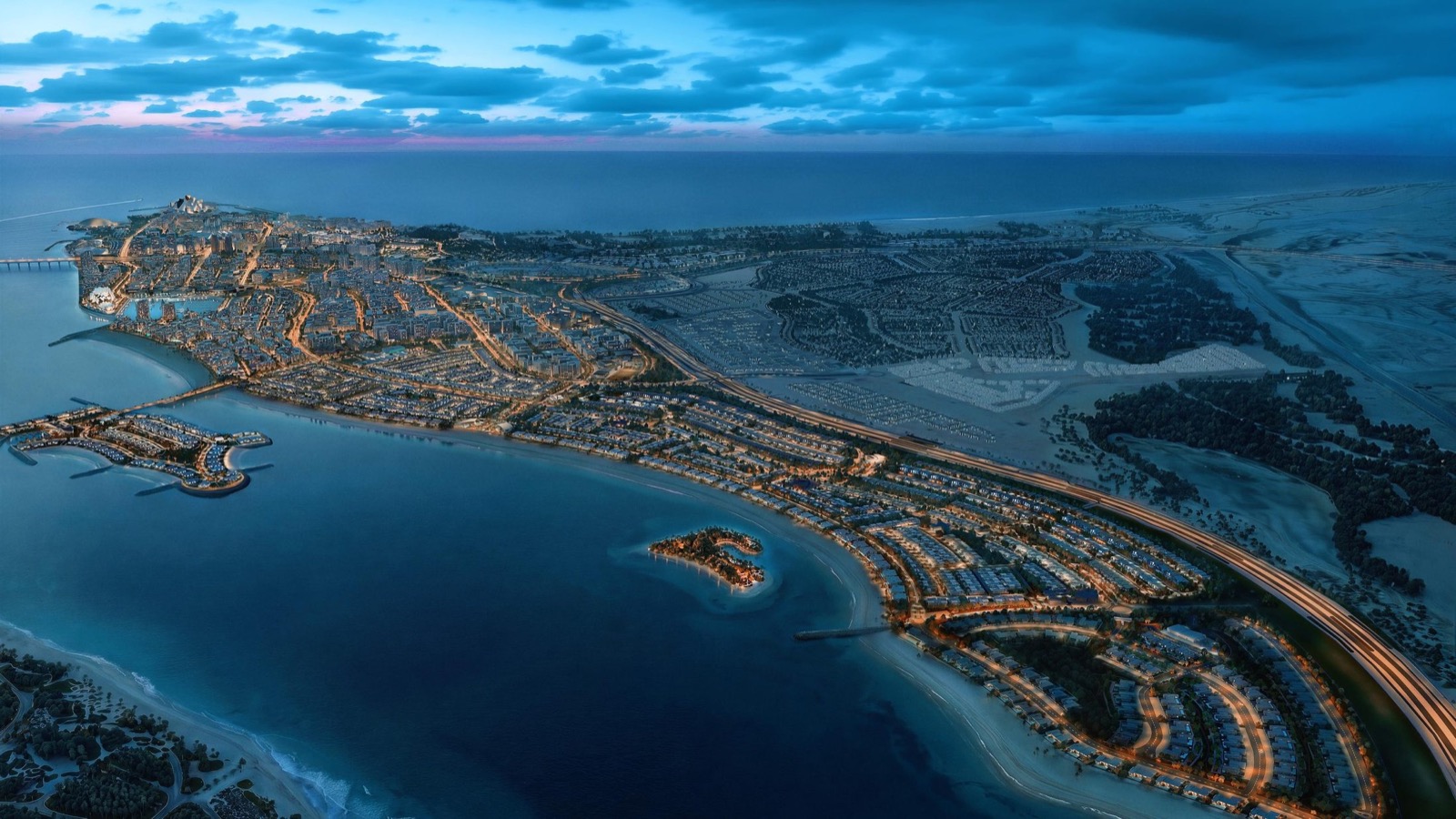
People abroad often speak of "the UAE" as if it were one city. It is a federation of seven emirates, each with its own ruler, government departments, land registry and character. If you are thinking of moving here or buying, the emirate is the first decision — and it matters more than most people expect.
How the federation works, briefly
The Federal Supreme Council, made up of the seven rulers, is the highest authority. Federal law covers areas such as foreign policy, defence, immigration and much of the criminal and civil law. Each emirate keeps significant powers of its own — including land, property registration and many local regulations. This is why property rules, fees and even Golden Visa procedures can differ between Dubai and Abu Dhabi.
The seven, as I would describe them to a client
Abu Dhabi — the capital and largest emirate by area. Calmer and greener than Dubai, with the cultural district on Saadiyat, the leisure island of Yas, the financial centre ADGM on Al Reem and Al Maryah, and a lot of beach and island life. It suits families, people working in government-linked sectors, energy, finance and education, and anyone who prefers space to buzz.
Dubai — the global business and tourism hub. The widest choice of jobs, restaurants, nightlife, flights and property types. Faster, busier and more international in feel. It suits people whose careers depend on networks and who enjoy a city that never slows down.
Sharjah — known for culture, museums, heritage and a more conservative, family-oriented atmosphere. Many residents work in Dubai and live in Sharjah for lower rents, although the commute can be heavy at peak times.
Ajman — the smallest emirate, compact and generally more affordable. Practical for people who want to be within reach of Sharjah and Dubai on a tighter budget.
Umm Al Quwain — quiet, with mangroves, lagoons and a slower pace. More for people who want nature and calm than for those who need a big-city career next door.
Ras Al Khaimah — mountains, including Jebel Jais, beaches and the Al Marjan Island area, where the Wynn resort is being built. Popular for weekends and with people who like outdoor life; its property market is closely watched because of the integrated resort.
Fujairah — the only emirate mainly on the east coast, facing the Gulf of Oman. Mountains meet the sea, diving and snorkelling are a draw, and it feels very different from the Gulf coast cities.
A simple way to choose
| If your priority is… | Start by looking at… |
|---|---|
| Career breadth, networking, nightlife | Dubai |
| Family life, space, culture, calmer pace | Abu Dhabi |
| Lower rent within reach of Dubai | Sharjah, Ajman |
| Nature, mountains, weekends outdoors | Ras Al Khaimah, Fujairah |
| Quiet and water | Umm Al Quwain |
This is a starting point, not a verdict. Every emirate has quiet neighbourhoods and lively ones, affordable areas and expensive ones. Dubai has calm suburbs; Abu Dhabi has a busy centre. Choose the neighbourhood, then check the commute you would actually do.
My take
I live and work in Abu Dhabi by choice, and I am open about my bias: I value the calm, the beaches and the long-term planning. But I send clients to Dubai when their career or lifestyle clearly points there, and I think both are excellent places to live. The mistake is choosing an emirate on the basis of a video about the other one. For the two big ones side by side, read our Dubai vs Abu Dhabi comparison.