
UAE Apartment Insurance: Building Cover, Contents and Exclusions
What the building's master policy covers, what it leaves to owners and tenants, common exclusions such as war and gradual leaks, and a checklist before you buy.
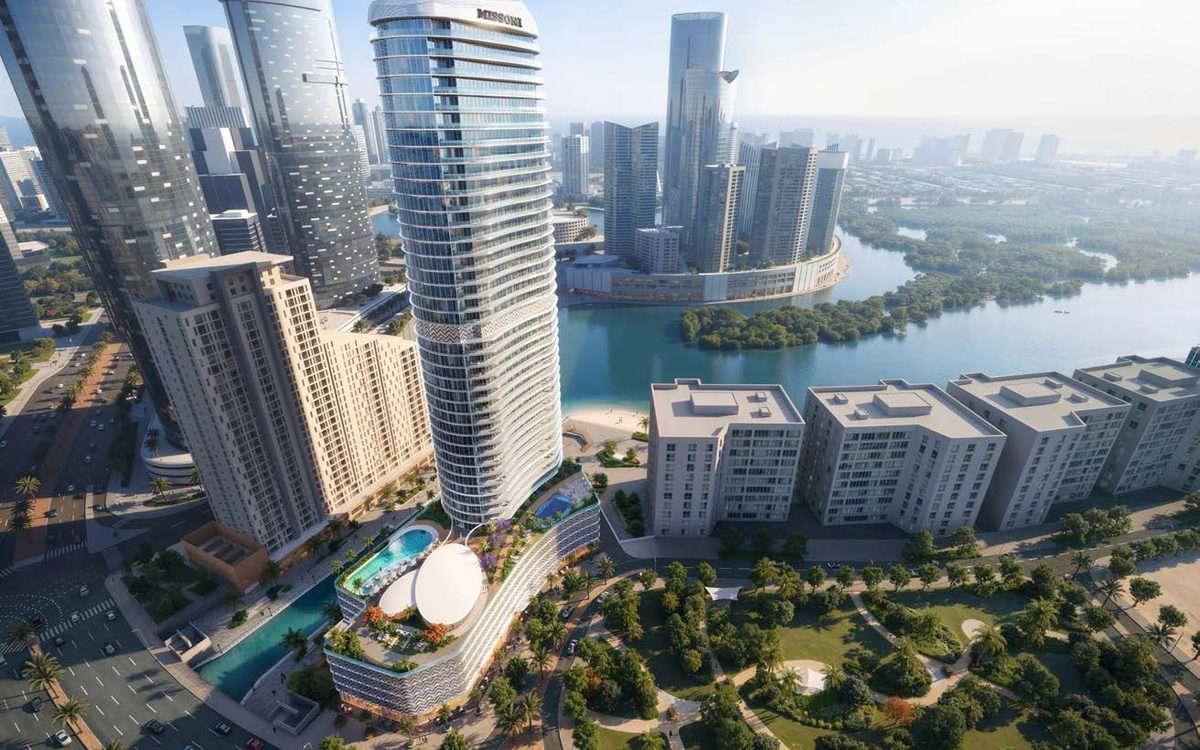
When there is a fire, a flood from the flat above or news of an incident in the region, owners ask me the same thing: "Am I insured?" Often the honest answer is "partly". Here is how insurance for a UAE apartment is usually structured, and where the gaps tend to be.
Three layers of cover
1. The building's master policy. In a jointly owned building, the owners' association or the building manager usually arranges insurance for the structure and common areas — the frame, facade, lifts, lobbies, pools, car parks and shared systems. The cost is part of your service charge. The scope, the sum insured and the excess are set by that policy, not by you.
2. Your own unit: fit-out and contents. What is inside your apartment — kitchen units, flooring upgrades, built-in wardrobes, furniture, appliances, electronics, clothing, jewellery — is often not covered by the master policy, or only partly. Owners usually need their own home or contents policy. Owners who let the unit furnished should insure the furniture they provide.
3. Liability. If water from your bathroom damages the flat below, or a guest is injured in your home, you may be liable. Some home policies include personal liability; check the limit. Tenants should consider their own contents and liability cover, because the landlord's policy protects the landlord.
Common exclusions and conditions
Wording varies, but these come up again and again:
- War, terrorism and civil unrest. Many standard policies exclude war and related risks. Some offer terrorism cover as an extension or under specific conditions. Do not assume either way — read the exclusions.
- Gradual water damage. Sudden escape of water from a burst pipe is often covered; slow leaks, damp and poor maintenance often are not.
- Unoccupied property. Cover can be restricted if a unit is left empty for longer than a stated period.
- Wear and tear and poor maintenance.
- High-value items above a single-item limit, unless listed.
- Short-term letting. A standard home policy may not cover a property let on a holiday-home basis; you may need specialist cover.
I would not tell anyone that a specific fire, flood or attack "is always covered" or "is never covered". It depends on the policy wording, the cause and the facts.
Making a claim
- Make it safe and limit damage — turn off water, call the building management, and in an emergency call the authorities.
- Document everything: photos, videos, dates, a list of damaged items.
- Notify the insurer quickly, within the time stated in the policy.
- Get reports: a building management report, a civil defence or police report where relevant.
- Keep receipts and do not discard damaged items until the insurer agrees.
- Expect the excess — the first amount of any claim that you pay yourself.
On state compensation: I would not assume that any government compensation scheme will apply to expatriate owners after an incident. Plan on the basis of your own insurance.
Checklist before you buy
- Ask for a summary of the master policy: what it covers, sum insured, excess, exclusions.
- Check whether service charges include building insurance and for what.
- Price a contents and fit-out policy for the unit.
- If you will let it, check landlord cover — loss of rent, liability, furnished contents.
- If you will let short-term, ask about holiday-home cover.
- If you have a mortgage, check the bank's requirements for property and life insurance.
My take
Insurance is one of the least exciting parts of buying a home, and one of the most important. The master policy protects the building; it rarely protects your kitchen, your furniture or your liability to a neighbour. A modest annual premium for your own cover is worth it. Read the exclusions before you need them, not after.