
Selling High-Value Real Estate in Abu Dhabi: Documents, Buyers and Process
Prime villas, buildings, land and hotels in Abu Dhabi: ownership, the information pack, pricing with few comparables, buyer checks, confidentiality and closing.
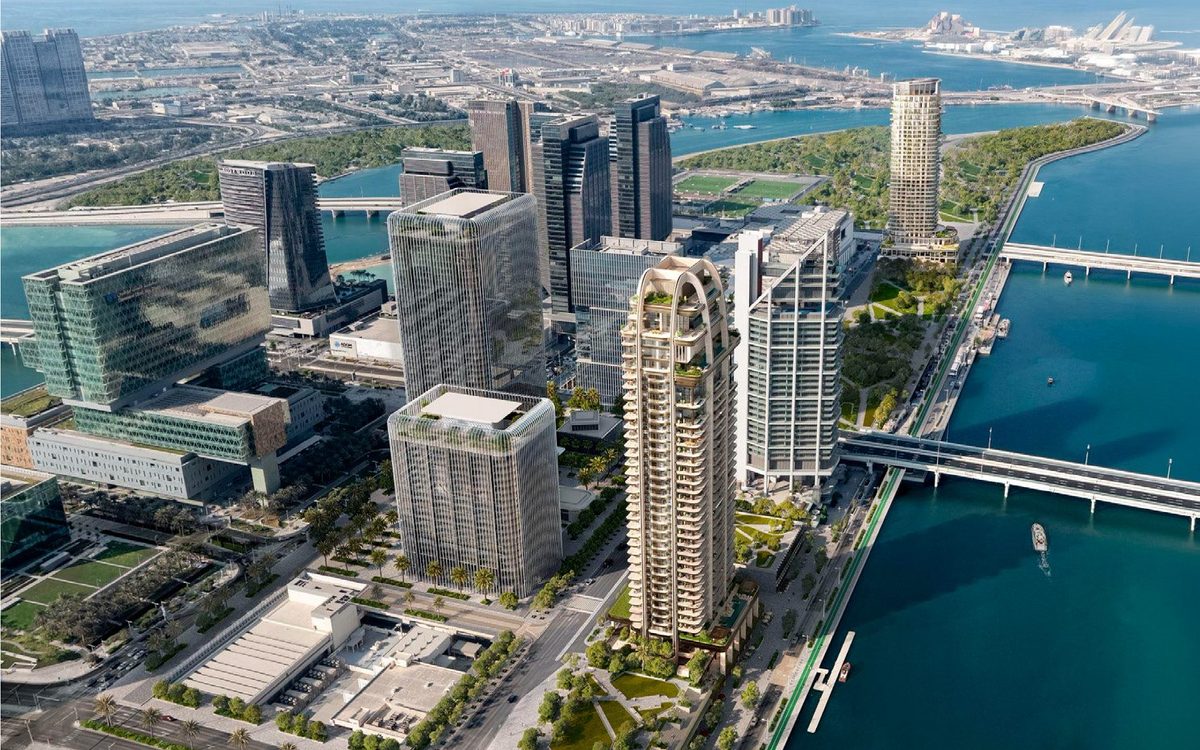
A high-value sale is not a normal sale with more zeros. There are fewer buyers, fewer comparable transactions and more advisers on both sides, and the owner usually cares about confidentiality almost as much as about price. The work shifts from marketing to preparation: what exactly is being sold, what the buyer will need to see, and who is allowed to see it.
By "high-value" we mean assets where those differences start to matter — prime villas and mansions, penthouses, whole buildings, development land, hotels and serviced residences, and portfolios held by one owner. There is no official threshold.
1. Be precise about what is being sold
The first question is not the price but the legal object of the sale.
- Who owns it? An individual, several family members, an onshore company, an ADGM company or a fund. The seller's documents, the signatories and the approvals all follow from this.
- What title is held? Freehold, or a right such as musataha, usufruct or a long lease. In Abu Dhabi's investment areas, non-UAE nationals can own freehold land and units — Law No. 13 of 2019 extended this to land — and can hold the other rights as well; outside those areas ownership is generally limited to UAE nationals. That affects who the buyer can be.
- Is it the property or the company? When an asset sits in a company, an owner may consider selling the shares instead of the property. That is a corporate transaction with its own legal, tax and registration consequences, and it is a question for lawyers before it is a question for brokers.
- Where is it registered? Onshore through DARI under the Abu Dhabi Real Estate Centre, or — for Al Reem and Al Maryah islands — with the ADGM Registration Authority, which took over the Al Reem register on 1 January 2025.
2. Build the information pack before anyone sees it
Serious buyers and their advisers will ask for the same documents. Having them ready shortens the process and signals that the asset is real.
For any high-value property
- Title deed or register extract, and any registered mortgage, lease or other interest.
- Site plan and affection plan; for villas, the plot area as registered.
- Building permits, the completion certificate and as-built drawings for any extensions.
- Service-charge or community-fee statements.
- A recent independent valuation, if you have one.
For income-producing assets
- Leases, a current rent roll, arrears and security deposits held.
- Operating and service-charge history for the last few years.
- For hotels and serviced residences: the operator or management agreement, recent trading accounts and the tourism licence.
For a company owner
- Constitutional documents, the register of shareholders and the board or shareholder approval for the sale, with the authorised signatory.
3. Price with few comparables
At the top of the market there may be only a handful of comparable sales in a year. Abu Dhabi's most expensive documented home sale — the AED 400 million Faya Al Saadiyat mansion announced by Aldar in July 2025 — tells you where the ceiling has been, not what your villa is worth. We wrote about the difference between verified records and viral figures in The Most Expensive UAE Homes and Penthouses.
A defensible price usually combines:
- the closest transactions available, even if few and not identical, adjusted for plot, frontage, size and condition;
- the replacement view: what it would cost to buy a comparable plot and build;
- for income assets, the net income and a yield that a buyer can justify to their own investment committee or bank;
- an independent valuation, which also helps a buyer's lender.
Expect the price discussion to be about the assumptions, not the number.
4. Decide how public the sale will be
There are two routes, and you can move from the second to the first:
- Open marketing. In onshore Abu Dhabi every advert requires a Madhmoun permit, issued after the listing is checked against the title deed. The widest pool of buyers, at the cost of confidentiality.
- Private (off-market) process. No public adverts. The asset is presented to a short list of qualified buyers: first an anonymised summary, then — after identification and a non-disclosure agreement — the address and the full pack. Fewer buyers, more control. See how we run it in Off-market property advisory.
Whichever route you choose, insist that every broker involved has your written authority. Assets circulated by "intermediaries" without the owner's mandate are common at the top of the market, and they damage the asset: buyers who have seen it offered by three people at three prices assume something is wrong.
5. Qualify the buyer before disclosure
For a high-value asset, qualification is the most important step in the process. Before an address or a document is shared, establish:
- Who the buyer is and who actually makes the decision — the individual, a family office, a board, an investment committee.
- How the purchase will be funded, with evidence appropriate to the price.
- For a company or fund, who ultimately owns and controls it.
- The timeline and conditions the buyer will need: financing, approvals, due diligence.
These questions are not only commercial. UAE anti-money-laundering rules oblige brokers to identify their customers, and a 2022 Ministry of Economy requirement makes brokers report purchases involving physical cash of AED 55,000 or more, or virtual assets. A buyer who will not be identified is not a buyer.
6. Negotiate the structure, not only the price
High-value deals are usually agreed in stages: an offer, a period of exclusivity for due diligence, then the binding agreement. Points to settle explicitly:
- the deposit, who holds it and when it becomes non-refundable;
- the length of exclusivity and what the buyer may inspect during it;
- conditions — financing, approvals, satisfactory due diligence — and their deadlines;
- what is included: furniture, art, vehicles, operating equipment, staff contracts;
- who bears which transaction costs and taxes;
- confidentiality after the deal, if either side needs it.
7. Ask the tax questions early
The UAE does not levy personal income tax, but that does not mean a high-value sale is free of tax questions. The sale or lease of commercial property is generally subject to VAT at 5%; residential property is treated differently. A company that holds property is within the UAE corporate tax regime. Sellers resident elsewhere may also owe tax in their home country on the gain. None of this should be worked out after the price is agreed.
8. Close in the right order
The closing steps are those of any Abu Dhabi sale, with more parties: developer or community clearance, settlement and release of any mortgage, the buyer's financing, and registration through DARI or the ADGM Registration Authority. For a company owner, the corporate approvals must be in place before the signing date. For an operating asset, the handover of contracts, staff and licences needs its own checklist.
Our view
The owners who achieve the best outcomes on high-value sales are the ones who prepare before they are seen: they know exactly what they own and how, they have the documents in one place, they set a price they can explain, and they decide who is allowed to look. Speed and confidentiality both come from that preparation. For the step-by-step mechanics of a standard resale, see How to Sell a Property in Abu Dhabi.
Sources
- DARI — Abu Dhabi real estate platform
- ADGM — lease and real property registration (Al Reem and Al Maryah islands)
- Al Tamimi & Company — Law No. 13 of 2019 and foreign ownership rights in Abu Dhabi investment areas
- Gulf Business — UAE introduces new reporting requirements for real estate transactions (Ministry of Economy, 2022)
- Federal Tax Authority — VAT and corporate tax
- The National — Abu Dhabi unveils verified property listing platform (Madhmoun), 27 March 2025