
Tesla Roadster or an Abu Dhabi Apartment: The Real Cost Comparison
A supercar and a studio can cost a similar amount. The real comparison is not price but ownership economics: depreciation, fees, rent, vacancy, maintenance and risk.
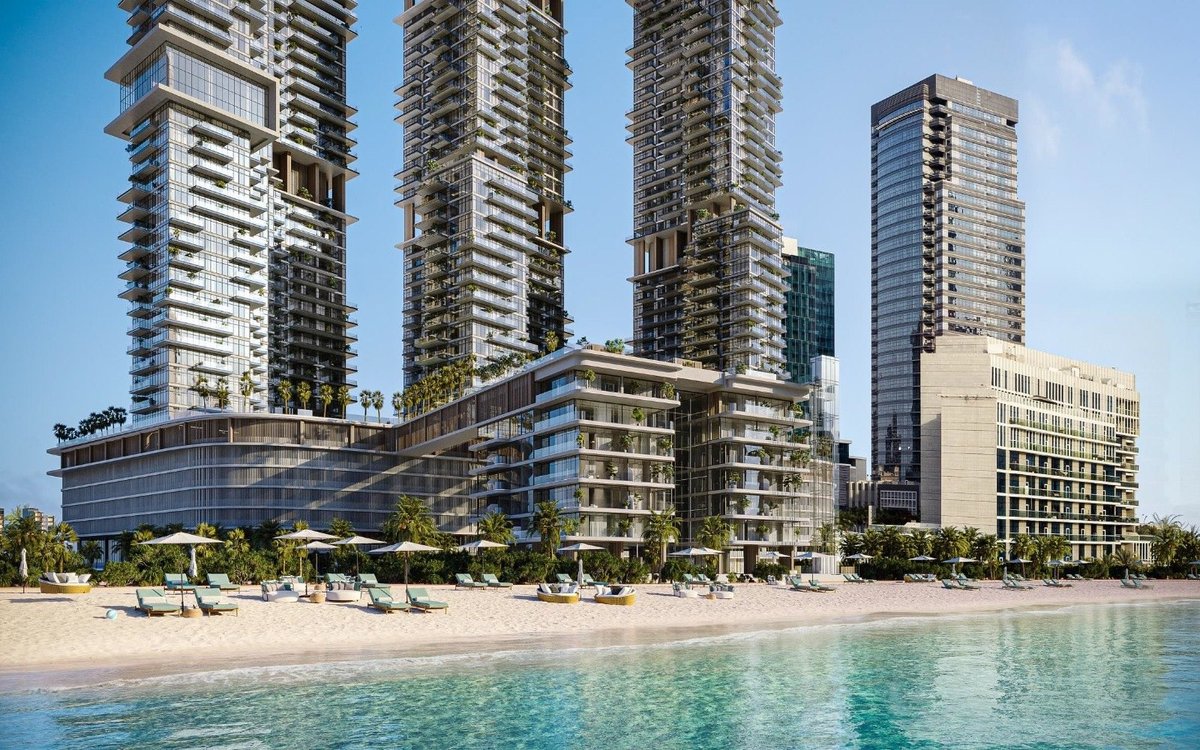
In an earlier video I compared the deposit for a special edition of the new Tesla Roadster with a studio on Al Reem Island at around AED 850,000 in listings. The comparison got attention. I am not going to repeat the car's numbers here: reservation amounts, prices, versions and delivery dates for a car that is not yet in normal production change, and I do not have an official current figure I can stand behind. What is more useful is the method — how to compare a consumption asset with something that can potentially be rented out.
Two different kinds of thing
A car, however exceptional, is a consumption asset. It gives you pleasure and transport and it costs money to keep. A small number of limited cars have held or increased their value, but most cars lose value, especially in the first years.
An apartment is a potential income asset. It can be rented out and it costs money to run. Its value can rise or fall.
Neither is guaranteed. Some collector cars outperform property; some apartments lose money. The point is to compare like with like: what goes in, what comes out, and what can go wrong.
The ownership costs of a high-end car
For any supercar, I would list:
- Purchase price and fees — plus VAT at 5% where it applies.
- Insurance — significant for high-performance cars.
- Registration and annual renewal.
- Maintenance, tyres and servicing — specialist work is expensive.
- Depreciation — the difference between what you pay and what you can sell for.
- Opportunity cost — the return the same money could earn elsewhere.
The ownership costs of an apartment
For a studio on Reem, an illustrative framework (not a quote):
| Item | What to include |
|---|---|
| Purchase costs | Price plus registration fee (in Abu Dhabi typically 2%), broker and admin fees |
| Annual service charge | Per square foot, set by the building; can be a large share of rent |
| Maintenance | AC servicing, appliances, repairs between tenants |
| Vacancy | A month or two empty between tenants is normal to budget for |
| Management | If you use an agent to let and manage |
| Mortgage interest | If financed — the biggest cost for many owners |
| Rent | Today's achievable rent, not the brochure's |
Net yield is rent minus all of those costs, divided by the full amount invested. That number is usually materially lower than the "gross yield" in an advertisement.
A fair way to compare
Ask the same three questions of both:
- What is my all-in cost of entry?
- What will it cost me each year to hold?
- What is a realistic range for its value in five years — including a bad case?
For the car, question 2 is all cost and question 3 is usually below the purchase price. For the apartment, question 2 is partly offset by rent and question 3 is uncertain in both directions. Work through the numbers honestly and the answer is usually clear for your situation.
When the car is the right choice
If you can comfortably afford it, will drive it with joy, and do not need the money for income or security, buying a car you love is a perfectly legitimate decision. Money is for living. I only object when the car is bought instead of an emergency fund, or with money needed for a deposit you had already planned.
My take
The comparison is not "the car always falls and the flat always rises". It is that one is a pleasure you pay for and the other is a business you run. I own nice things and I own property, and I keep them in separate mental accounts. If you are tempted by both, decide first how much of your capital needs to work for you, and spend freely from the rest.
Analysis and opinion by Astana Real Estate / Yeldar Nurmukanov. Market conditions, prices and availability can change. This is general information, not investment, tax or legal advice.