
From Gazelles to Global Capital: The Story of Abu Dhabi
From the legend of a gazelle and a freshwater spring to oil, federation and freehold zones: how Abu Dhabi became an international property market.
The name Abu Dhabi is usually translated as "father of the gazelle". The story attached to it is a legend, and it is worth telling as one.
The legend and the island
According to tradition, hunters from the Bani Yas tribal confederation, which roamed the interior around the Liwa oasis, followed a gazelle across the shallows to an island on the coast. There they found a freshwater spring — the thing that makes a settlement possible in this climate. The story is usually placed in the 18th century. It is a founding legend, not a documented event, but the elements are real: the Bani Yas, the island, and fresh water as the reason people stayed.
For roughly two centuries after that, the town lived from the sea. Fishing, boat-building and above all pearl diving supported the community. When the pearl trade collapsed in the 1930s — undercut by cultured pearls and the global depression — the coast went through very hard years.
Oil, Sheikh Zayed and the federation
Oil changed the island's trajectory. Commercial oil was found offshore in 1958, and exports followed in the early 1960s.
In 1966 Sheikh Zayed bin Sultan Al Nahyan became Ruler of Abu Dhabi. He used the new revenue to build the basics almost from scratch: roads, housing, schools, hospitals, water and electricity. He is also remembered for planting — a commitment to greening a desert city that still shapes the look of the capital.
On 2 December 1971, six emirates formed the United Arab Emirates, with Ras Al Khaimah joining in early 1972. Sheikh Zayed was its first President and Abu Dhabi its capital. The Federal Supreme Council, made up of the rulers of the seven emirates, remains the federation's highest authority.
From a planned city to an island capital
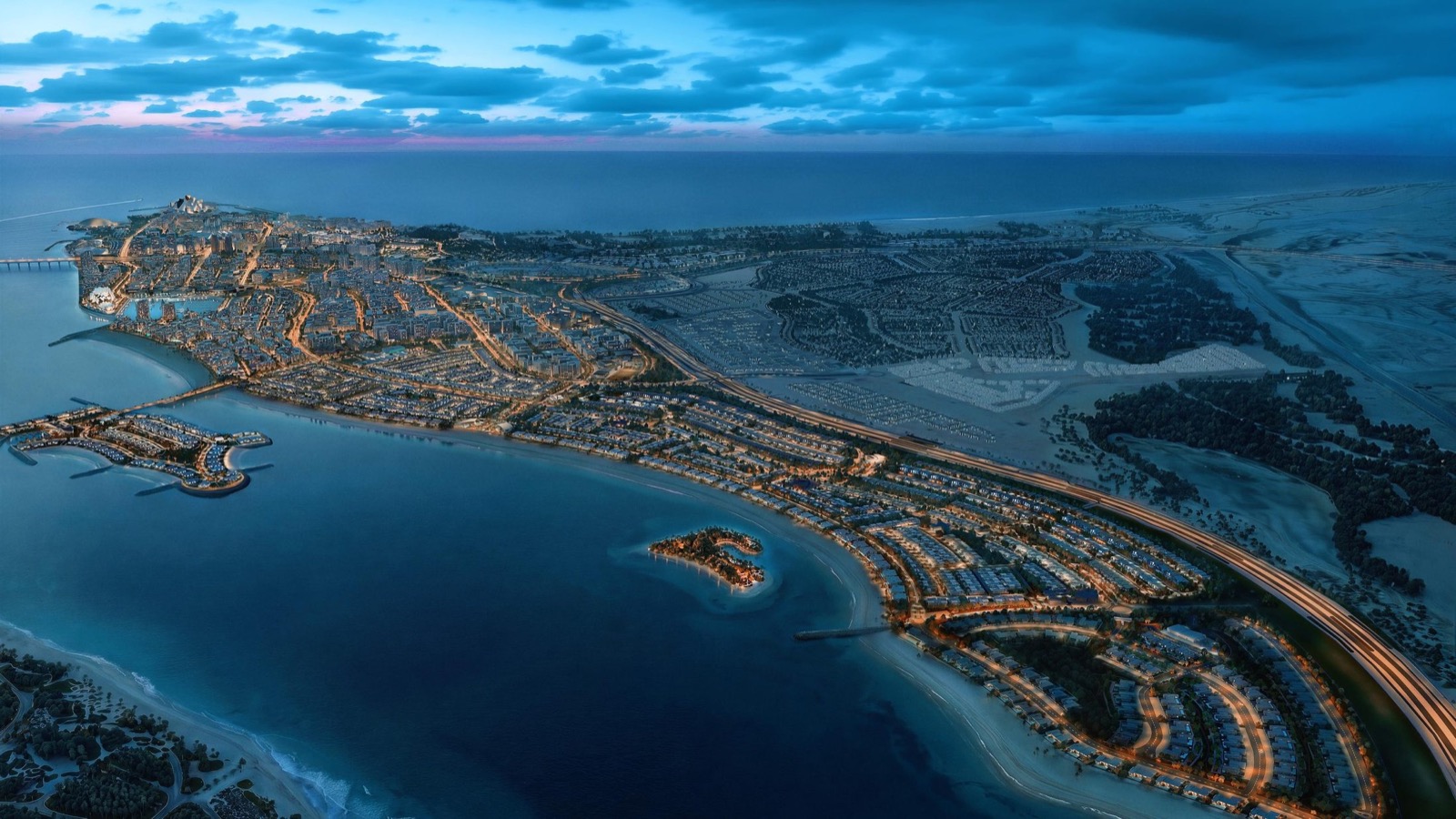
Through the 1970s to the 2000s Abu Dhabi grew as a planned grid on the main island, with the Corniche as its front. Then the city began to move outward onto islands. Saadiyat became the cultural district, Yas the leisure and events island, Al Reem and Al Maryah the business and residential centre with ADGM. Hudayriyat, Fahid, Jubail and Ramhan came later, each with a masterplan.
When foreigners could buy
Foreign ownership arrived in stages. From the mid-2000s, non-UAE nationals could hold long-term rights in designated investment zones. In 2019 Abu Dhabi amended its real estate law to allow foreigners to own freehold property in those designated investment zones. The pandemic of 2020 then tested the market early, and the years after brought rapid growth in foreign demand.
The important word is designated. Not all property in Abu Dhabi is open to foreign freehold ownership. Large parts of the emirate remain reserved for UAE nationals, and foreign buyers purchase in specific investment zones. If a property is outside them, the right you can hold may be different, or not available at all.
What this history means for buyers
Abu Dhabi's international property market is young. Freehold for foreigners in investment zones is only about seven years old. That has two consequences.
Less price history. There are few full cycles of data to judge how prices behave in a downturn. Anyone quoting "prices always go up here" is extrapolating from a short series.
A market still being built. Much of the best stock is new or under construction, and the government is still adding islands, infrastructure and attractions. That creates opportunity — and a lot of future supply.
My take
I find the story genuinely moving: a town that lost its living when the pearl trade collapsed became a federal capital within one generation. It explains the city's long-term, planned approach to development, and why I trust that approach more than short-term hype. What history does not give us is a guarantee. A young market rewards careful selection more than enthusiasm. If you want to see the city's landmarks as they look today, our guide to Abu Dhabi from above is a good companion.
Analysis and opinion by Astana Real Estate / Yeldar Nurmukanov. Market conditions, prices and availability can change. This is general information, not investment, tax or legal advice.