NEOM and The Line: Why the Saudi Megaproject Was Scaled Back
NEOM was announced in 2017; The Line promised 170 km and 9 million residents. What changed, why the NEOM Stadium was reported shelved, and the investor lesson.
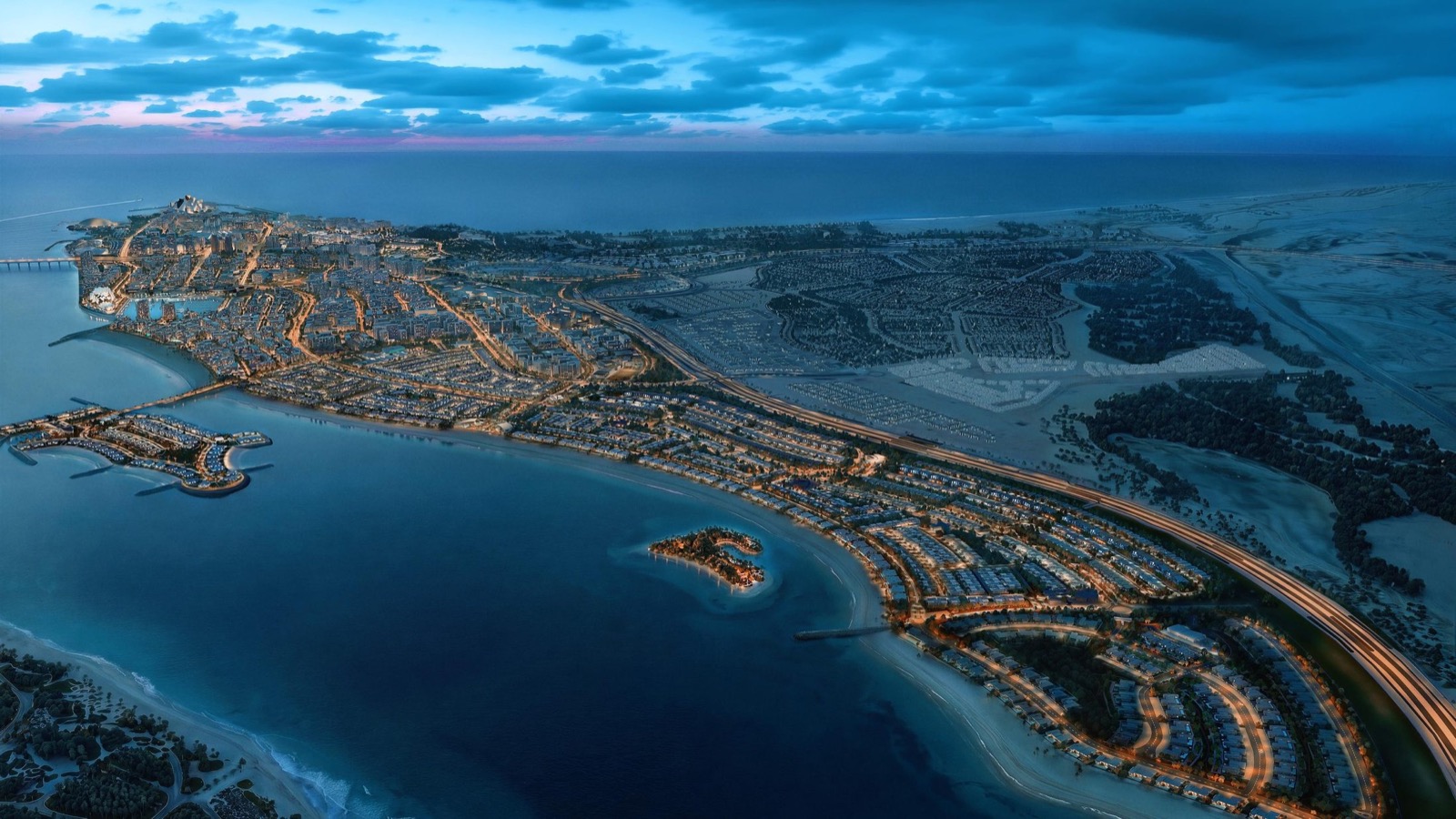
In 2017 Saudi Arabia announced NEOM, a new region in the country's north-west on the Red Sea. Its most famous component, The Line, was presented in 2022 as a linear city about 170 km long, enclosed by mirrored walls, designed eventually for around 9 million people, with no cars and no streets. It was perhaps the most ambitious urban plan anywhere in the world.
Nine years on, it is being scaled back. I follow it closely, not because I sell property there — I do not — but because it is the clearest recent lesson about how far state backing can carry a real estate project.
What has been reported
On 4 October 2026 Reuters reported, citing sources, that plans for the NEOM Stadium — one of the venues in Saudi Arabia's 2034 FIFA World Cup bid, to be built into The Line — had been shelved indefinitely. The report linked this to the delays and downscaling of The Line itself. The World Cup organising authority did not address the stadium directly.
Earlier in 2026, the governor of the Public Investment Fund said The Line was no longer a priority, while denying that projects had been cancelled. Further reports in October suggested the PIF was reviewing other large construction plans on cost grounds; those reports have not been confirmed officially.
What it does not mean
NEOM is not "closed". Other components announced under the NEOM name — the Oxagon port and industrial zone, the Trojena mountain destination and Sindalah island among them — have been pursued on different timelines, and their status varies. Check NEOM's own updates for each. The picture from the reporting is of a project being reprioritised and shrunk, not switched off.
Why it happened
From the outside, four pressures stand out:
- Cost. A 170 km enclosed city requires a scale of capital that competes with every other national priority.
- Engineering and logistics. Building a continuous structure through mountains and desert on that timetable was without precedent.
- Priorities. The PIF funds many large projects at once — Expo 2030 in Riyadh, the World Cup, tourism on the Red Sea, industry. Something has to give.
- Demand. The hardest question is who would live there, at what price, and why. Infrastructure can be built; residents have to choose to come.
The investor lesson
The lesson I take is not specific to Saudi Arabia: state backing does not replace demand. A government can provide land, roads and money. It cannot instruct buyers and tenants to arrive on schedule. Projects succeed when they attach to demand that already exists or is clearly coming — a job centre, a beach, a school cluster, an airport.
In the UAE, the masterplans that have worked best extended places people already wanted to be: Saadiyat next to the city, Yas next to the airport, Palm Jumeirah next to Dubai's coast. That is why, when I assess a new district, my first question is not "who is behind it?" but "who will live here, and what will they pay?"
My take
I admire the ambition of The Line and I suspect parts of NEOM will become remarkable places. But I would not buy into any megaproject — in Saudi Arabia, the UAE or anywhere — on the strength of renderings and a national vision alone. Check the launch economics, the delivery record and the end-user demand. The same logic underlies my view on the Wynn resort and Al Marjan Island.
Analysis and opinion by Astana Real Estate / Yeldar Nurmukanov. Market conditions, prices and availability can change. This is general information, not investment, tax or legal advice.